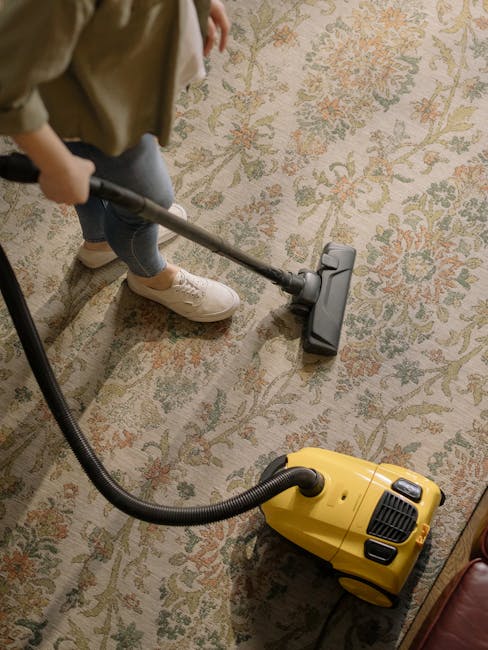
Carpet cleaning Lower Marsh market Waterloo SE1 tips
If you live, work, or trade around Lower Marsh Market in Waterloo SE1, carpet care can get tricky fast. Foot traffic is heavy, deliveries are frequent, and dust, grit, and spills seem to appear out of nowhere. One damp day, one busy lunch shift, one muddy pair of shoes - and suddenly the carpet does not look quite right. These Carpet cleaning Lower Marsh market Waterloo SE1 tips are here to help you decide what to clean, when to clean it, and how to avoid the common mistakes that cost time and money.
This guide keeps things practical. You will find simple ways to protect carpets in busy homes, shops, offices, and short-let spaces; advice on cleaning methods; a comparison of options; and a realistic checklist you can actually use. If you want a broader service overview as you read, the main carpet cleaning service page is a useful starting point, while specialist add-ons like steam carpet cleaning, stain removal, and pet stain odour removal may be relevant depending on the situation.
Practical takeaway: in a busy Waterloo SE1 setting, the best carpet cleaning results usually come from acting early, choosing the right method for the fibre, and not over-wetting the pile. Sounds obvious. Yet, to be fair, this is where most people go wrong.
- Why these tips matter in Lower Marsh Market and Waterloo SE1
- How the cleaning process works
- Key benefits and practical advantages
- Who this is for and when it makes sense
- Step-by-step guidance
- Expert tips for better results
- Common mistakes to avoid
- Tools, resources and recommendations
- Law, compliance, standards, and best practice
- Options, methods, or comparison table
- Case study or real-world example
- Practical checklist
- Conclusion
- Frequently asked questions
Why Carpet cleaning Lower Marsh market Waterloo SE1 tips Matters
Lower Marsh sits in a part of London where people move through spaces quickly. That matters more than many owners realise. Market stalls, nearby cafes, office entrances, shared hallways, and residential buildings all bring in different kinds of dirt. Fine grit from pavements, food spills, rainwater, and general city dust can all settle into fibres. Once that happens, carpets start to look tired long before they are actually worn out.
In a home, the effect is mostly visual and hygienic. In a business, it also affects first impressions. A stained carpet in a reception area can quietly undermine a tidy room. A dull runner in a rental property can make a whole flat feel less cared for. And in a short-let or Airbnb-style setup, the issue becomes speed; you often need the carpet looking fresh again without turning the room into a building site.
There is another reason this topic matters: wrong cleaning choices can make the problem worse. Too much water, aggressive scrubbing, or the wrong product can spread a stain or leave a sticky residue that attracts dirt faster. That is not dramatic advice, just the reality of carpet fibres. Wool, synthetic blends, and delicate rugs all behave differently. If you have ever cleaned a patch and somehow made it look bigger, well, you are not alone.
For people managing multiple surfaces, it can also make sense to coordinate carpet care with related work such as domestic cleaning, house cleaning, or a more thorough deep cleaning visit. That way, the space feels finished rather than partially refreshed.
How Carpet cleaning Lower Marsh market Waterloo SE1 tips Works
Carpet cleaning is not just "washing the floor". It is a process of removing soils, oils, allergens, and stains without damaging the fibre or backing. The right approach depends on what is in the carpet, how old the marks are, and how soon the room needs to be used again.
In simple terms, a proper clean usually follows five stages:
- Inspection: Identify fibre type, visible stains, wear patterns, and any problem areas like pet accidents or coffee marks.
- Preparation: Vacuum thoroughly, move light furniture where suitable, and isolate delicate items that should not get damp.
- Treatment: Pre-treat spots and traffic lanes with the right solution so the main clean can work more evenly.
- Cleaning: Use an appropriate method, often hot water extraction or controlled steam-style cleaning, depending on the carpet and soil level.
- Drying and finishing: Speed up airflow, check for any remaining marks, and make sure the pile is left in good shape.
That final stage gets overlooked far too often. A carpet can look clean and still feel wrong if it is left too wet. In the SE1 area, where many properties have compact rooms and not much airflow, drying strategy matters. Open windows if weather allows, use fans if available, and avoid heavy foot traffic until the pile is properly dry.
If the carpet is part of a wider post-build refresh, the context changes again. Dust from refurbishments can settle deep into fibres, which is why services such as after builders cleaning are often paired with carpet work. One job helps the other. A room can look spotless on hard surfaces and still feel dusty if the carpet was ignored.
Key Benefits and Practical Advantages
Good carpet cleaning gives you more than a brighter floor. It changes how a space feels, how long the carpet lasts, and how much maintenance you will need later. That is the real value.
- Better appearance: Freshened fibres reflect light better, so rooms tend to feel lighter and more open.
- Longer carpet life: Grit and fine dust act like sandpaper when people walk over them. Remove that debris and the fibres usually wear more slowly.
- Improved hygiene: Regular cleaning helps reduce the buildup of dirt, allergens, and odours.
- Smarter property presentation: This matters in rentals, offices, and customer-facing premises in particular.
- Less stress with stains: Early treatment is often easier than trying to rescue an old mark after it has set.
There is also a practical money angle. Replacing carpet is expensive and disruptive. In many properties, especially busy ones around Waterloo SE1, it makes more sense to maintain rather than replace. That does not mean deep cleaning will save a carpet that is already past its best. It just means routine care can delay the point where replacement becomes the only sensible option.
Expert summary: if you remember only one thing, make it this: in high-traffic London spaces, the best carpet cleaning strategy is usually a mix of regular vacuuming, fast stain response, and occasional professional-grade cleaning when the carpet starts to lose its bounce.
Who This Is For and When It Makes Sense
This topic is relevant to more people than you might think. Not just homeowners with a muddy hallway, though they are absolutely included.
- Residents near Lower Marsh: Useful for flats, maisonettes, and shared homes where dirt tracks in from the street quickly.
- Landlords and letting agents: A clean carpet supports move-ins, move-outs, and routine inspections.
- Cafes, offices, and small shops: Footfall in and out of a premises can create visible traffic lanes very quickly.
- Short-let hosts: Fast turnaround matters, and you need the room presentable without a long drying delay.
- Families and pet owners: Spills, crumbs, and odours are part of life. No judgement, just facts.
It makes sense to schedule carpet cleaning when you notice dull patches, a stale smell, flattened traffic areas, or repeated spot marks that never quite disappear. It also makes sense before a tenancy handover, after renovation dust, or ahead of a busy season if your property sees more visitors than usual.
If you are managing a wider refresh, pairing carpet work with end of tenancy cleaning, move in cleaning, or move out cleaning can keep the whole process simpler. One coordinated visit is often easier than a piecemeal approach, especially when time is tight.
Step-by-Step Guidance
Here is a practical way to tackle carpet care around Lower Marsh Market Waterloo SE1, whether you are doing the work yourself or preparing for a professional visit.
- Vacuum slowly and thoroughly. Quick passes miss embedded grit. A slower pass, especially in high-traffic lanes, gives better results.
- Identify the stain type. Food, drink, pet accidents, mud, ink, and grease all need different treatment. Treating every mark the same is where trouble starts.
- Test any product first. A hidden corner or edge is safer than attacking the middle of the room and hoping for the best.
- Blot, do not scrub. Pressing with a clean cloth is usually safer than grinding the stain deeper into the pile.
- Apply a suitable pre-treatment. Let it dwell for the recommended time rather than rushing straight in. Patience helps here.
- Clean using controlled moisture. Over-wetting can lead to long drying times, wicking, or a patchy finish.
- Check the result in natural light. Evening lighting can hide imperfections. A daylight check often tells the truth.
- Finish by grooming the pile. A soft brush or carpet rake can help the fibres stand back up and dry more evenly.
If the carpet has a stubborn odour or recurring stain, especially from pets, a targeted specialist treatment may be better than a general clean. That is where pet stain odour removal can be more useful than a standard pass.
And if you have soft furnishings at the same time, it often makes sense to coordinate with sofa cleaning, upholstery cleaning, or even curtain cleaning. A room can look half-finished if the carpet is fresh but the fabric items are not. You know the feeling.
Expert Tips for Better Results
A few small habits can make a surprising difference. Nothing flashy, just the sort of details that stop a good clean from becoming an average one.
- Deal with spills immediately. The first five minutes are usually kinder than the next five hours.
- Use entry mats near doors. In a busy Waterloo setting, this is one of the simplest ways to reduce tracked-in dirt.
- Rotate furniture if practical. It helps prevent permanent wear lines in the same spot every day.
- Do not drown the carpet. More solution is not more cleaning. Often it is just more drying time.
- Keep airflow moving. Windows, fans, or heating used sensibly can help the room recover faster.
- Match the method to the fibre. Wool, synthetic pile, and blends do not always want the same treatment.
Here is a small but useful one: if a stain seems to "come back" after cleaning, it may be wicking from below the surface. That is frustrating, honestly. But it is not unusual. A second targeted treatment and better extraction can help more than simply rubbing it again.
Another sensible move is to keep records of what was used on the carpet, especially in managed properties or commercial premises. That way, if a patch discolours later, you are not guessing what happened. Guessing is expensive.
Common Mistakes to Avoid
Most carpet problems are not caused by one dramatic disaster. They are caused by small, repeated missteps. The good news? They are usually avoidable.
- Scrubbing aggressively: This can distort pile, spread the stain, and roughen the fibres.
- Using too much detergent: Residue attracts dirt, so the carpet can look dirty again sooner.
- Mixing products: This is risky and can create unpredictable results on the carpet surface.
- Ignoring drying time: Walking on a damp carpet too soon can flatten fibres and bring soil back up.
- Assuming every stain is removable: Some marks, especially old dye transfer or bleaching, may be permanent or only partially improved.
- Skipping vacuuming before wet cleaning: If grit stays in the carpet, you are basically scrubbing mud deeper into the pile. Not ideal.
In business premises, another mistake is leaving carpet cleaning until the space looks visibly bad. By that point, the traffic lanes are usually more embedded and the clean takes longer. A routine schedule is easier than rescue work, nearly every time.
For premises with shared access, it can also be helpful to think about the surrounding space, not just the carpet itself. Services such as communal area cleaning can reduce the amount of dirt reintroduced after the carpet is cleaned. There is no point polishing the floor, then dragging dirt straight back across it. Happens all the time, sadly.
Tools, Resources and Recommendations
You do not need a massive kit to maintain carpets properly, but the right basics make the job easier and safer.
| Tool or resource | Best use | Why it helps |
|---|---|---|
| Quality vacuum cleaner | Routine dust and grit removal | Prevents soil from grinding into fibres |
| Microfibre cloths | Blotting fresh spills | Absorb liquid without rough scrubbing |
| Carpet-safe spot treatment | Small isolated stains | Helps lift marks before they set |
| Soft brush or carpet rake | Finishing and pile grooming | Improves appearance after cleaning |
| Professional deep-clean option | Traffic lanes, odours, and larger areas | Gives more even extraction and faster turnaround |
For pricing planning, a clear quote process matters. If you are comparing options, the pricing and quotes page can help you understand how a cleaning visit may be structured before you commit. It is always better to ask a few direct questions than to assume the job is straightforward. Carpet cleaning can be deceptively simple from the outside.
If you are worried about payments or booking confidence, the site's payment and security information is also worth checking, especially for larger or repeat bookings. Trust and clarity matter. Always have.
Law, Compliance, Standards, or Best Practice
Carpet cleaning is not usually a heavily regulated service in the way some trades are, but there are still important UK best-practice expectations. A reliable provider should handle chemicals carefully, protect people and property, and operate with sensible risk management. That is just good practice, and in many settings it is essential.
For homes and workplaces, practical compliance usually comes down to a few things:
- Health and safety: Slips, trip hazards, damp floors, and cable management all need attention during cleaning.
- Insurance: Public liability and related protection are important where work is carried out in occupied premises.
- Product handling: Cleaning agents should be used according to their instructions, with care around children, pets, and sensitive surfaces.
- Privacy and access: In occupied flats, offices, or managed buildings, access arrangements should be clear and respectful.
- Waste and sustainability: Used materials and packaging should be handled thoughtfully where possible.
If you want to understand a provider's approach to safety and accountability, pages like health and safety policy, insurance and safety, terms and conditions, and privacy policy can help you make a more informed decision. For businesses that care about environmental choices, recycling and sustainability is also worth a look.
There is a practical side to this too. In shared buildings or rental homes, the cleaner should be careful not to leave walkways unsafe or delay access more than necessary. A tidy, well-planned visit is not just professional. It is respectful.
Options, Methods, or Comparison Table
Different carpet problems call for different methods. The right choice depends on soil level, carpet type, and how soon you need the area back in use.
| Method | Best for | Strengths | Limitations |
|---|---|---|---|
| Routine vacuuming | Everyday dust and grit | Fast, low cost, and essential for maintenance | Will not remove deep stains or embedded soil |
| Spot treatment | Fresh marks and isolated spills | Quick response, minimal disruption | Can fail if the stain is old or already set |
| Steam or hot water extraction | Traffic lanes, general deep cleaning, odours | Strong soil removal and refreshing effect | Needs careful drying and suitable fibre matching |
| Targeted specialist treatment | Pets, wine, grease, or stubborn marks | More focused response to the problem | May not be needed for simple maintenance cleans |
For many Waterloo SE1 properties, the best approach is not one method only. It is a sensible mix. Regular vacuuming, fast spill response, and periodic professional cleaning usually beat occasional panic cleaning every time.
If the carpet is part of a broader property refresh, related services such as regular cleaning or one off cleaning can help you plan ongoing upkeep around your actual usage patterns, not just a calendar date. That is often the smarter way to do it.
Case Study or Real-World Example
Picture a small ground-floor flat near Lower Marsh Market. Nothing extreme. Just a typical London place with a hallway, a lounge, and a carpet that sees a lot of shoes. Over a few months, the runner at the entrance starts to look grey, then patchy, and then slightly flat in the middle. Nothing dramatic enough to panic about, but enough that the room begins to feel less cared for.
The owner first tries a quick spot clean after a coffee spill. It helps a little, but the mark spreads at the edges. A second attempt with more product leaves the area damp longer than expected. That is usually the point where people say, "Right, maybe this needs doing properly." Sensible move.
After a careful vacuum, targeted stain work, and a deeper extraction clean, the carpet looks fresher and the hallway no longer feels tired when the door opens. The change is not magical. It is more like the room has stopped apologising for itself. The owner then adds a mat at the door and makes a point of vacuuming the traffic path twice a week. Small habit, big difference.
This is a common pattern in Waterloo SE1 properties. The carpet is rarely ruined; it is just being asked to cope with more than it was ever designed to handle without support.
Practical Checklist
Use this simple checklist before and after a carpet clean. It keeps the job orderly, which in my experience is half the battle.
- Vacuum the carpet thoroughly before any wet cleaning.
- Check the fibre type if you are unsure what the carpet is made of.
- Test spot treatments in a discreet area first.
- Blot spills instead of rubbing them.
- Keep cleaning solution use light and controlled.
- Open windows or improve airflow where practical.
- Keep pets and children away from damp areas until dry.
- Inspect traffic lanes and edges after the main clean.
- Groom the pile if the carpet looks flattened.
- Plan the next maintenance clean before the carpet looks tired again.
If you are booking a provider, it also helps to review service information first, including about us and the website's complaints procedure. That may sound a bit formal, but it is a good way to see how seriously a company takes the customer experience. And if accessibility matters in your building, the accessibility statement can be useful too.
Get a free quote today and see how much you can save.
Conclusion
Carpet cleaning in and around Lower Marsh Market Waterloo SE1 is really about keeping pace with everyday life. Dirt comes in fast, stains happen, and busy spaces need a plan rather than a panic. If you remember the basics - vacuum well, treat spills early, choose the right method, and allow proper drying time - you will already avoid most of the common headaches.
For homes, that means a fresher room and less wear over time. For businesses and landlords, it means better presentation and fewer awkward surprises. And if the carpet is part of a bigger property job, bringing related cleaning together often gives the best result overall. Simple, really.
Do the small things well, and the carpet usually returns the favour.
Frequently Asked Questions
How often should carpet cleaning be done in a busy Waterloo SE1 property?
That depends on foot traffic, pets, and how quickly marks appear. High-traffic homes and commercial spaces often benefit from regular vacuuming and periodic deeper cleaning rather than waiting until the carpet looks obviously dirty.
Is steam carpet cleaning safe for all carpet types?
Not always. Steam or hot water extraction can work very well, but delicate fibres, some wool carpets, and certain backings may need a more careful approach. It is worth checking the carpet type first.
What is the best way to remove a fresh stain?
Blot it quickly with a clean cloth, avoid rubbing, and use a carpet-safe treatment if appropriate. The faster you act, the more chance you have of lifting the mark before it settles deeper into the fibres.
Why does my carpet still smell after cleaning?
Odours can linger if the source was not fully treated, if the carpet was over-wet, or if the smell came from underlay rather than the visible pile. Pet accidents are a common example, and they often need targeted treatment.
Can carpet cleaning help with allergies?
It can help reduce the buildup of dust and debris in fibres, which may improve the feel of a room. That said, it is not a medical treatment, and results vary depending on the home and cleaning routine.
How long does carpet take to dry after cleaning?
Drying time depends on the cleaning method, ventilation, room temperature, and carpet thickness. A lightly cleaned carpet can dry quite quickly, while a more saturated clean may take longer. Good airflow makes a real difference.
Should I move furniture before carpet cleaning?
Light furniture is often moved where practical, but heavy items may need to stay in place. If you are booking a professional clean, it is worth asking in advance how furniture will be handled.
Is it worth cleaning an older carpet or should I replace it?
If the carpet is structurally sound but looks dull or has surface staining, cleaning can still be worthwhile. If the pile is badly worn, torn, or permanently damaged, cleaning may only improve it so much. Sometimes the honest answer is that replacement is the better long-term choice.
What should I ask before booking a carpet cleaner?
Ask about method, drying time, stain handling, insurance, pricing structure, and whether the cleaner has experience with your carpet type. Clear answers are a good sign. Vague answers, not so much.
Can carpet cleaning be combined with other services?
Yes. It often makes sense to combine carpet work with related services such as mattress cleaning, rug cleaning, or house cleaning so the whole property feels properly refreshed.
What should I do if a stain returns after cleaning?
That is often called wicking, where residue or soil rises back up as the carpet dries. It can happen even after a decent clean. A follow-up treatment may be needed, but rubbing it repeatedly usually makes things worse.
Are commercial carpets different from domestic carpets?
They can be. Commercial spaces often have more footfall, more uniform traffic lanes, and stricter timing needs. For that reason, commercial carpet cleaning is often planned differently from domestic work.
Where can I find general company and service information?
If you are comparing providers, start with service details, company background, and policy pages. Useful places to review include carpet cleaning, pricing and quotes, and contact us if you need to make an enquiry. A little homework goes a long way.